
Smart Plates, Smarter Budgets

Start With the Numbers That Matter

Forecast Your Cart Like a Pro
Seasonality and Sale Cycles
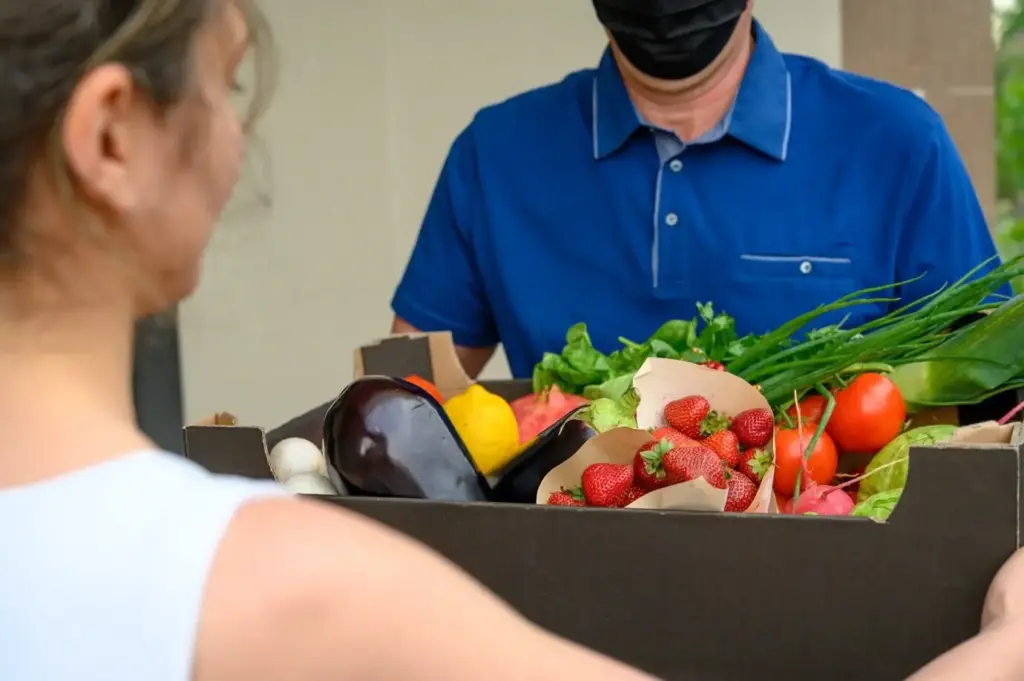
Track weekly flyers and note repeating patterns: berries dropping midsummer, root vegetables peaking in winter, canned tomatoes cycling every six weeks. Sync recipes to these waves. You will spend less and enjoy produce at its best, gaining flavor, nutrition, and variety while avoiding last-minute premium prices.
Unit-Price Anchors and Swap Rules
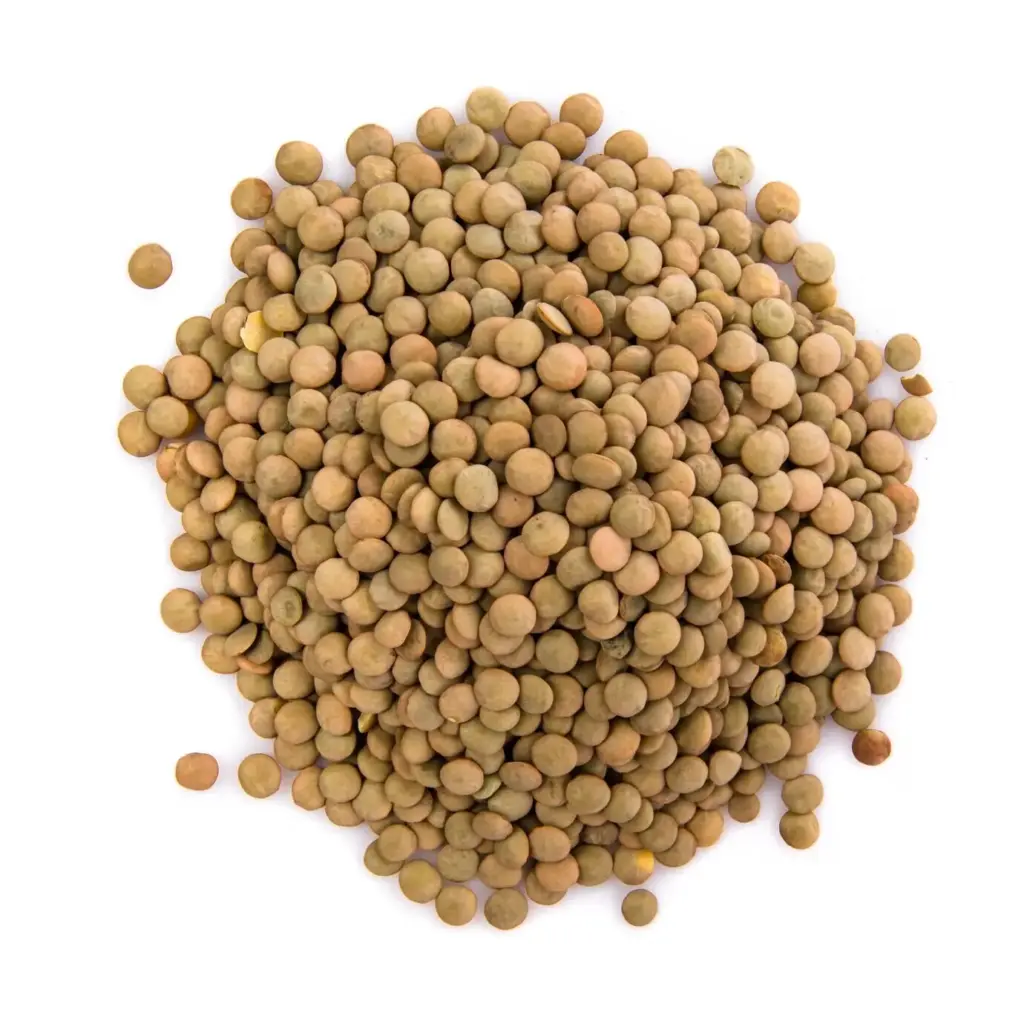
Establish a target unit price for go-to items, then predefine smart swaps when costs exceed your anchor. Chicken thighs too high? Move to lentils or eggs. Romaine spiking? Choose cabbage. These rules protect your budget automatically, while maintaining protein, fiber, and satisfaction across the entire week.
Recipe Graphs and Ingredient Reuse
Sketch a simple graph connecting recipes through shared ingredients - spinach links omelets, soups, and grain bowls; roasted peppers bridge tacos and salads. Plan two or three anchor items per week. You will reduce waste dramatically, simplify prep, and still keep meals varied, colorful, and genuinely satisfying.


Menus That Balance Macros and Money
Dynamic, Store-Specific Lists
Coupons, Cashbacks, and Price Matching
In-Store Navigation and Checkout Tactics

Prep Once, Benefit All Week
Batching and Parallel Cooking
Cook components that share oven temperatures or pot space together: roast sweet potatoes beside chickpeas, simmer farro while hard-boiling eggs. Use timers and clear stations. In ninety minutes, you can assemble multiple mix-and-match meals, saving electricity, cleanup time, and the willpower usually spent resisting takeout menus.
Labeling, Storage, and Food Safety
Date everything, note reheating instructions, and store by lifespan: short-lived herbs and berries up front, cooked grains and proteins in the middle, frozen backups in clearly marked bins. This simple order prevents waste, protects flavor, and supports confident late-night decisions when you are most prone to overordering.
Waste Tracking and Upcycling
Keep a small log beside the bin. When something gets tossed, write what, why, and how to rescue it next time. Turn wilting greens into pesto, stale bread into crunchy toppings, and roasted bones into stock. Waste becomes tuition, paying dividends in future meals and calmer planning.
Close the Loop With Honest Feedback
All Rights Reserved.